Understanding Sorry Business: What Every Professional Needs to Know
Definition and Cultural Importance of Sorry Business
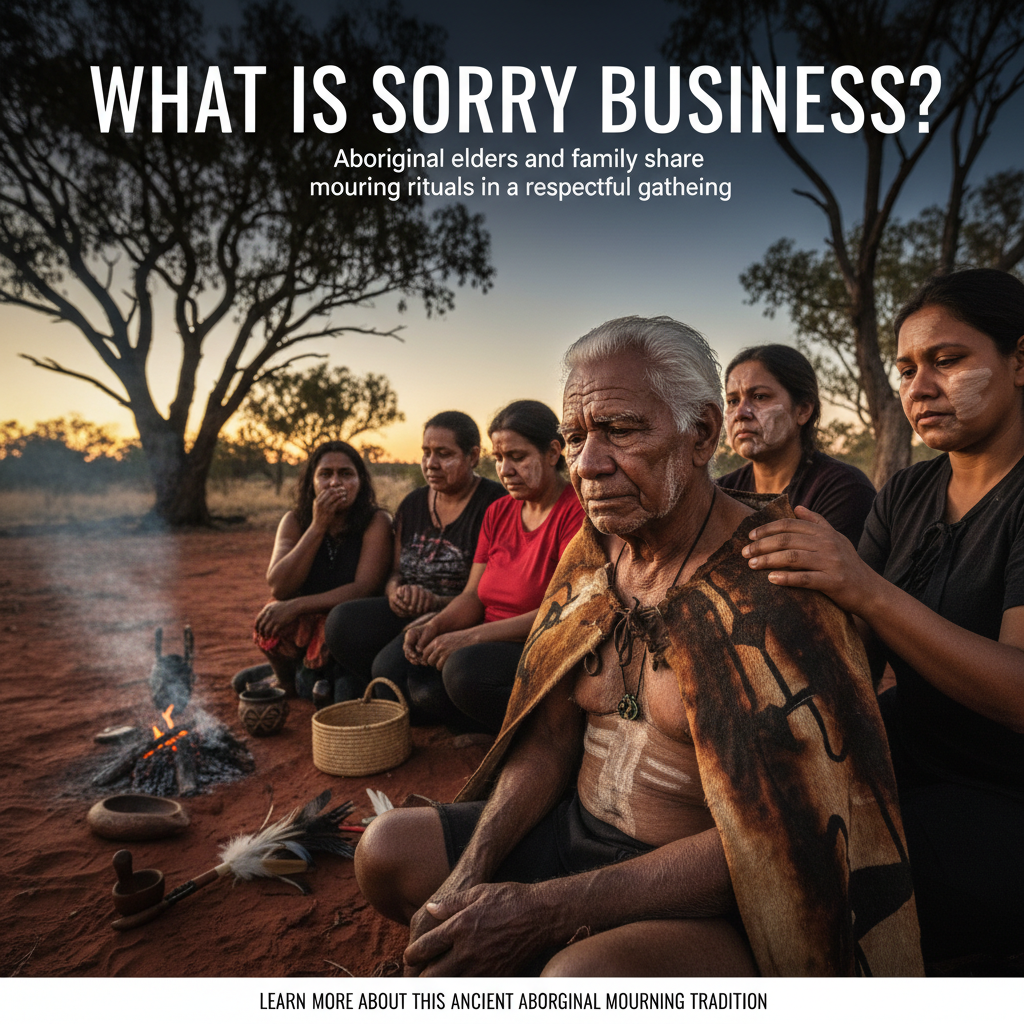
Sorry Business refers to the mourning customs and practices of Indigenous Australian communities when a family member or loved one passes away. It is a sacred time filled with rituals, ceremonies, and traditions. Sorry Business is deeply important because it helps families and communities grieve, honor their loved ones, and heal together. Businesses must recognize and respect these traditions to support Indigenous employees and show inclusivity.
Common Practices and Traditions in Indigenous Communities
Sorry Business can include gatherings, ceremonies, sharing memories, and sometimes traveling to be with family. Elders play vital roles, and there may be certain protocols like avoiding the use of the deceased’s name or participating in collective mourning. These practices can affect work attendance and communication.
Frequently Misunderstood Aspects in Business Contexts
Many workplaces do not realize how long Sorry Business can last or how many people it may involve. It is not just a day or two, and close friends or extended kin may also attend. Some may underestimate its emotional impact on staff. Misunderstandings can lead to unintentional disrespect or exclusion.
Why Sorry Business Matters in Today’s Workplaces (2026 Edition)
The Impact on Employees, Teams, and Operations
When Sorry Business occurs, employees may need urgent leave or time away from duties. If not managed sensitively, it can affect morale, productivity, and even retention. Understanding Sorry Business helps create a more supportive environment for everyone.
Legal and Ethical Considerations for Businesses
Employees are protected by workplace laws that allow for bereavement leave. Ethically, businesses should provide additional support and avoid discrimination. Respecting Sorry Business can improve an organization’s reputation and legal compliance.
The Role of Sorry Business in Diversity, Equity, and Inclusion Initiatives
Supporting Sorry Business is an important part of embracing diversity and equity. It shows a company’s commitment to creating a safe, welcoming workplace for Indigenous employees and acknowledges the unique needs of different cultures.
Step-by-Step Guide: Responding to Sorry Business in Your Organization
Early Communication: What to Say and Do When Notified
- Express condolences respectfully and recognize the significance of Sorry Business.
- Ask the employee how the business can best support them. Example: “We are sorry for your loss. Let us know what support you need during this time.”
- Assure privacy and confidentiality about any shared information.
Supporting Bereaved Employees: Immediate and Ongoing Actions
- Grant leave promptly, without making the employee provide excessive proof.
- Check in occasionally (without pressure) to offer ongoing support, such as flexible hours or counselling services.
- Respect their wishes if they prefer not to discuss details.
Adjusting Workloads, Attendance, and Deadlines with Compassion
- Redistribute urgent tasks temporarily among the team.
- Offer deadline extensions where possible and avoid penalizing absences related to Sorry Business.
- Consider remote or flexible arrangements if the employee requests them.
Practical Examples: Email Templates, Meeting Scripts, and Policy Language
- Email Template: “Our thoughts are with you and your family during Sorry Business. Please take the time you need. Let us know how we can assist.”
- Meeting Script: “We want to acknowledge Sorry Business and respect your need for time away. The team supports your well-being.”
- Policy Language: “Employees experiencing Sorry Business are entitled to compassionate leave in addition to standard bereavement leave. Extra accommodations may be provided upon request.”
Creating Culturally Responsive Policies and Protocols
Writing or Updating Leave and Grievance Policies
Include Sorry Business in leave policies as a valid reason for absence. Clarify how employees request time off and ensure managers understand the importance of that leave. Allow for longer or multiple periods of leave.
Building Workplace Rituals and Respectful Acknowledgments
Hold space for moments of silence or acknowledgments at meetings. Allow employees to suggest ideas for collective recognition. Follow any cultural protocols shared by Indigenous staff.
Inclusivity for Remote and Distributed Teams
If work is remote, offer online options for submitting leave requests and attending significant workplace rituals virtually. Be mindful of time zone differences if staff travel for Sorry Business.
Collaborating with Indigenous Advisors or Elders
Connect with community Elders or Indigenous consultants to guide workplace policies and build respectful practices. Their advice ensures your actions are appropriate and culturally sensitive.
Training Your Leaders and Teams on Sorry Business
Recommended Training Topics and Delivery Methods
- Why Sorry Business matters and its impact on staff
- Cultural awareness fundamentals
- How to communicate respectfully and inclusively
Use interactive workshops, online modules, and real-life stories.
Role-Playing Scenarios and Cross-Cultural Case Studies
- Practice responding to Sorry Business notifications
- Discuss situations where misunderstandings occurred and how to fix them
Addressing Unconscious Bias and Preventing Discrimination
Offer training that helps staff recognize hidden biases about Sorry Business. Remind everyone to avoid assumptions or stereotypes and to treat all bereavement needs with respect.
Avoiding Common Mistakes: Lessons Learned from Real Business Cases
Missteps in Communication or Policy: What Went Wrong
- Not granting enough leave for Sorry Business
- Pressuring staff to share personal details or return early
- Ignoring cultural protocols during work events
How to Repair Trust and Demonstrate Genuine Respect
- Apologize for mistakes clearly and directly, and explain how policies will improve
- Engage with Indigenous staff to rebuild relationships and trust
- Promote cultural learning for all staff
Resources and Support for Businesses Embracing Sorry Business
Where to Find Indigenous Cultural Consultants and Training Providers
- Local Indigenous business networks and chambers of commerce
- State and federal government directories (for 2026 contact details)
- Aboriginal and Torres Strait Islander organizations
Links to Policy Templates and Government Guidelines (2026)
- Fair Work Australia: Compassionate Leave Guidelines
- Check 2026 updates through official government portals
Books, Videos, and Further Reading for Teams
- Working with Indigenous Australians by Lynne Coulson Barr
- Online video series: “Understanding Sorry Business”
- Community-produced pamphlets and guides
FAQ: Sorry Business in the Modern Workplace (2026)
Handling Urgent Business Needs During Sorry Business Leave
Plan ahead for staff absences, cross-train team members, and temporarily fill roles if necessary. Always prioritize respect over urgency.
Responding to Multiple Absences in Small Teams
Communicate openly about workload challenges, offer flexible solutions, and consider temporary staff. Avoid singling out anyone due to cultural needs.
International Staff and Cultural Sensitivity
Educate all staff, including international employees, about the significance of Sorry Business. Encourage respect, regardless of cultural background.
References and Further Reading (2026)
- Australian Human Rights Commission: Indigenous Cultural Awareness
- Reconciliation Australia: Workplace Resources
- Legal Aid NSW: “Understanding Sorry Business”