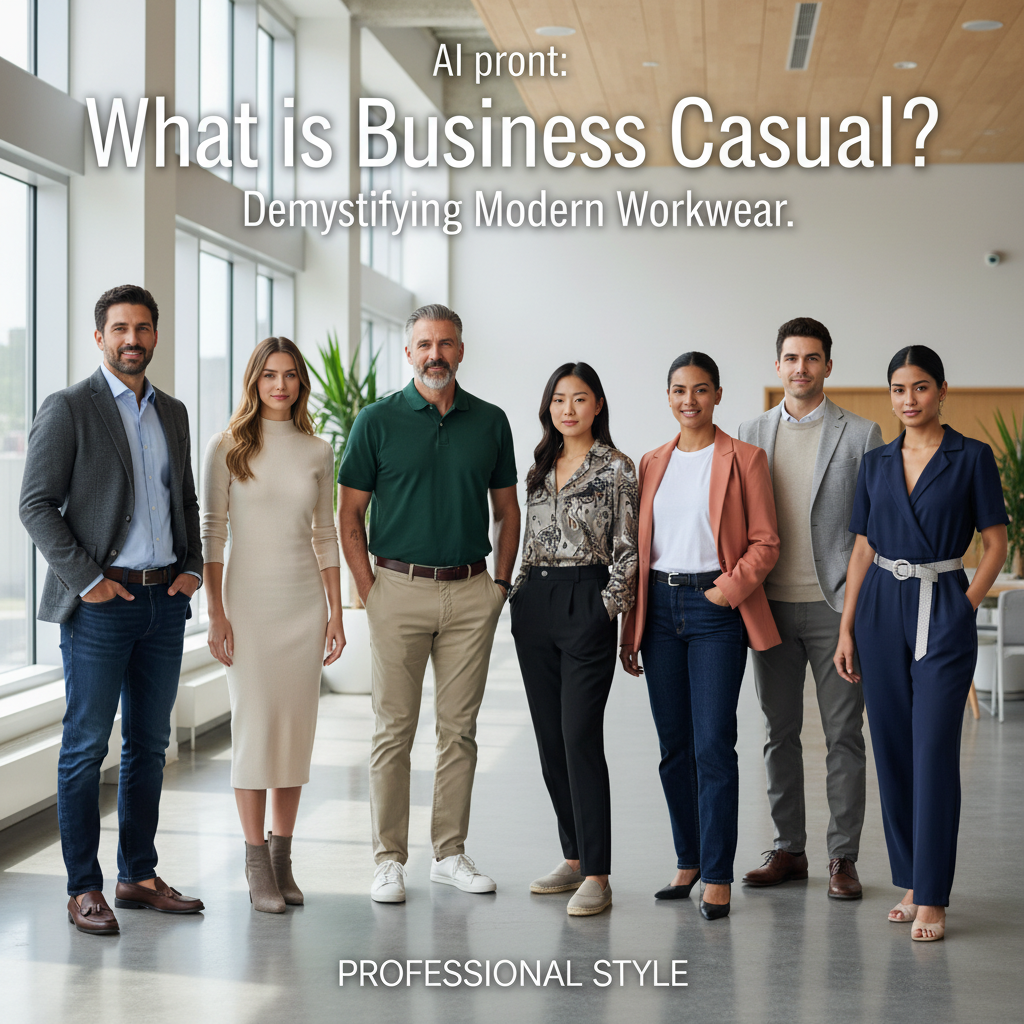
Are you getting ready for work and not sure what “business casual” means? This guide makes business casual easy to understand. Whether you are new at a job or want to dress right for the workplace, this step-by-step guide will help you follow business casual rules in 2024. You will learn what to wear, how the dress code has changed, and get useful tips for everyday confidence.
Defining Business Casual in 2024
What Is Business Casual? The Core Principles
Business casual is a style that is less formal than a suit, but still looks professional. You do not need to wear a tie or a formal dress. Clothes should be neat, clean, and suitable for an office. Think of it as a mix between comfort and professionalism. The aim is to look tidy but not overdressed.
How Business Casual Has Evolved Post-2020
After 2020, more people started working from home and mixing comfort with work clothes. Now, business casual often includes softer fabrics, less strict rules, and options that work for both in-person and video meetings. Many workplaces value comfort just as much as style.
Business Casual vs. Other Dress Codes
- Formal/Business Professional: Suits, ties, formal dresses, dress shoes.
- Business Casual: Collared shirts, smart pants, blouses, comfortable but tidy shoes.
- Casual: Jeans, T-shirts, sneakers, usually for no-office or very relaxed settings.
Dressing for Different Scenarios: Business Casual at Work Today
Business Casual in Hybrid and Remote Work Environments
When working remotely or in a hybrid setting, people often wear business casual tops for video calls—like collared shirts or sweaters—and more relaxed clothes below. However, it is smart to dress fully in business casual for meetings or office days, in case you stand up or meet someone unexpectedly.
Navigating Business Casual in Global and Multicultural Teams
Workplaces today may have people from many countries. This means business casual can look different depending on the culture. Always check with your team or manager if you are not sure what is normal in your workplace.
Adapting Business Casual for In-Office, Meetings, and Events
- In-Office: Choose neat trousers, blouses, polo shirts, or sweaters. Avoid shorts, ripped clothes, or flip-flops.
- Meetings: Dress a bit more formally if seeing clients or leadership. A blazer or dress pants adds a professional touch.
- Events: Check if there is a dress code, but safe options include button-down shirts, neat dresses, or skirts of an appropriate length.
What to Wear: A Gender-Inclusive Business Casual Guide
Classic Business Casual for All Genders
Business casual should be comfortable and presentable for everyone. It is about fit, cleanliness, and style—not gender. Choose items that make you feel confident and match your work’s environment.
Examples: Tops, Bottoms, Footwear, Accessories
- Tops: Collared shirts, polo shirts, neat blouses, sweaters, and cardigans.
- Bottoms: Dress pants, chinos, knee-length skirts, or tailored dresses.
- Footwear: Closed-toe flats, loafers, smart sneakers, or dress shoes (no slippers or flip-flops).
- Accessories: Simple jewelry, belts, watches, and bags that look tidy and are not distracting.
Gender-Neutral and Inclusive Options
- Loose shirts, tunics, or well-fitted sweaters
- Dress pants or chinos (not too tight or too baggy)
- Comfortable shoes for all-day wear
Cultural Differences and DEI Considerations in Business Casual
How Culture Impacts Business Casual Norms
Some cultures expect more formal clothing at work, while others are more relaxed. Learn about local customs, especially if you are working in another country or with international teams.
Accommodations for Religious, Cultural, and Ability Needs
- Headscarves, turbans, or religious garments are welcome if worn neatly.
- Adaptive clothing should be accepted for people with disabilities.
- Always ask HR how your workplace supports different needs.
Inclusive Business Casual: Creating Welcoming Dress Codes
An inclusive business casual dress code respects everyone’s background. It allows for different body types, cultures, genders, and abilities. The goal is for every team member to feel comfortable and accepted.
Modern Trends Shaping Business Casual in 2024
The Rise of Sustainable and Tech-Integrated Workwear
Many companies now support eco-friendly fabrics and clothes that last longer. Some even use smart fabrics with tech features like moisture-wicking or built-in phone pockets.
Gender Fluidity and Expression in Business Attire
Business casual now often allows for clothing that doesn’t fit traditional male or female categories. You can mix and match items as long as they are neat and professional.
Balancing Comfort, Professionalism, and Brand Image
Companies want their team to look trustworthy and comfortable. You can wear soft materials and stretchy pants—as long as they look sharp. Always represent your company in a way that shows you care.
Business Casual 2024 Checklist: What Works, What Doesn’t
Printable and Interactive Checklist for All Genders
| Item | Acceptable? |
|---|---|
| Collared Shirt/Blouse | Yes |
| Jeans (Clean, No Holes) | Sometimes* |
| Dress Pants/Chinos | Yes |
| Shorts | No |
| Logo T-shirt | No |
| Sneakers (Clean, Simple) | Sometimes* |
| Flip-flops | No |
*Check with your company rules.
Common Mistakes and How to Fix Them
- Wearing wrinkled or dirty clothes – Always choose clean, ironed options.
- Dressing too casually – Avoid sportswear, shorts, or graphic T-shirts.
- Ignoring company culture – Check the dress code before your first day.
Visual Examples of Acceptable Outfit Combos
- Polo shirt + chinos + loafers
- Neat blouse + black pants + flats
- Button-down shirt + knee-length skirt + low heels
- Sweater + dress pants + smart sneakers
Business Casual FAQ: Real World Questions Answered
Can I Wear Jeans, Sneakers, or Tees? (and When)
You can wear jeans only if they are clean, have no rips, and your company allows them. Sneakers are OK if they are simple and not for sports. T-shirts are usually not business casual unless covered by a jacket or approved by your company. Always check with HR if you are unsure.
How to Adjust for Changing Climates and Seasons
- Summer: Lightweight, breathable fabrics. Avoid shorts or sleeveless tops unless allowed.
- Winter: Add cardigans, sweaters, or blazers. Choose closed-toe shoes and layer up for warmth.
Company-Specific Rules and How to Ask HR
If you are not sure what “business casual” means at your company, just ask HR: “Can you share our office dress code?” or “Are jeans and sneakers OK for business casual here?” It is better to ask than make a mistake.
Pro Tips: Expert Advice for Nailing Business Casual Every Day
Quick Tips from HR and Fashion Experts
- Always dress a little neater than you think is needed for new jobs or meetings.
- Keep a blazer or sweater at work for surprise meetings.
- Use solid colors—they are easy to mix and always look smart.
Getting Feedback and Evolving Your Wardrobe
Ask trusted co-workers or managers if your outfit works. Update your clothes as trends change and as your company style evolves. Confidence grows when you feel good in your clothes.
Staying Comfortable and Confident in Your Attire
Choose clothes that let you move and work easily. Try outfits at home first to see what feels best. Comfort and confidence are both important in business casual style.
Summary: Key Points and Next Steps
- Business casual means neat, work-appropriate, and comfortable clothes.
- Follow your company’s rules and respect culture, identity, and weather.
- Mix professionalism and comfort for everyday confidence.
Now you know what business casual means and how to dress for success in 2024. Use the checklist, ask HR when in doubt, and choose outfits that show your best self at work!