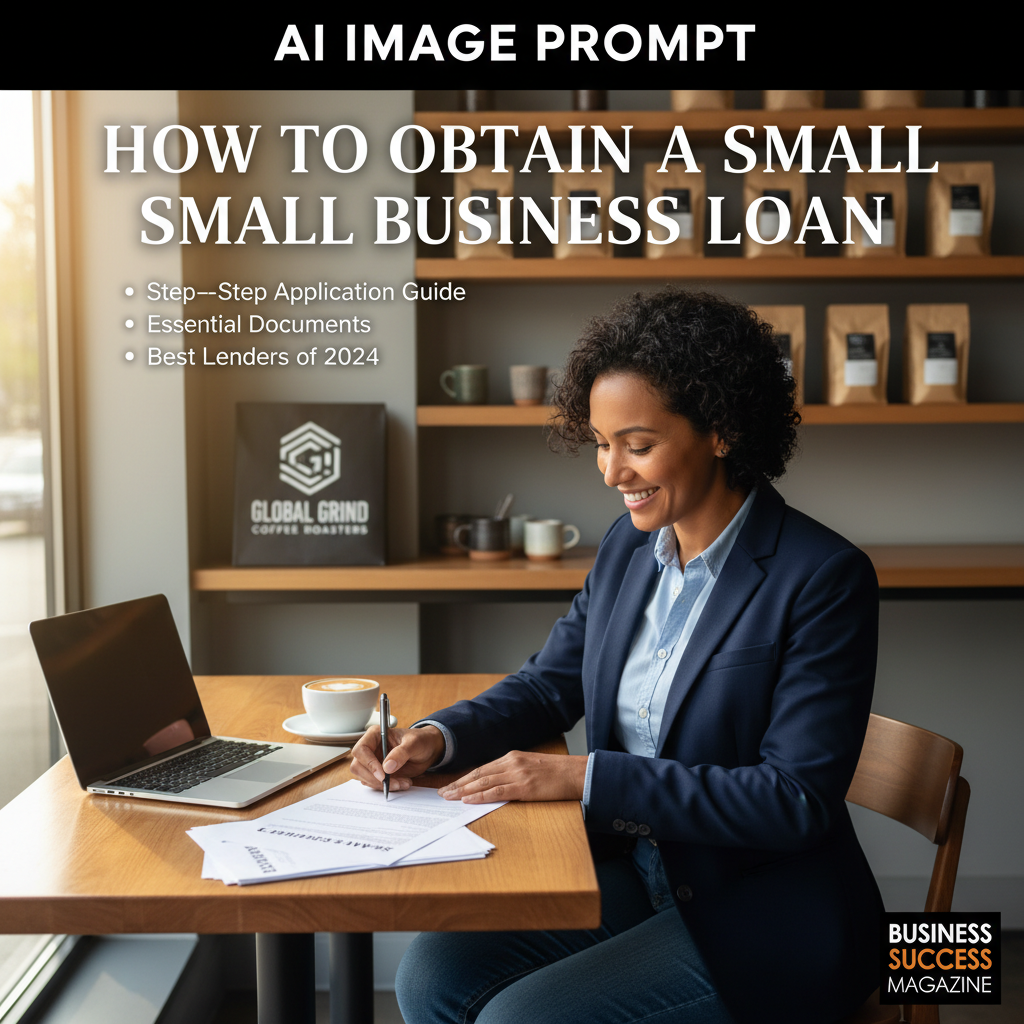
Are you looking to start or grow your small business in 2026? Getting a small business loan can be an important step to help you reach your goals. This guide will teach you, in simple language, how to obtain a small business loan. We’ll cover what’s new this year, how to prepare, the loan application process, and tips to improve your chances of success. You’ll also find answers to common questions, special advice for underserved entrepreneurs, and a helpful checklist to be loan-ready in 2026.
Understanding Small Business Loans in 2026 ─ What’s New This Year?
Key Changes in Lending Regulations and Requirements
In 2026, there are some new rules for getting a small business loan. Lenders now check credit scores using more data. They might also review your online business activity. Many lenders have stricter rules about which businesses can get loans, making it important to keep good records.
The Rise of Digital Loan Platforms and Marketplaces
Today, most small business loans are offered through digital platforms. This means you can apply for a loan online, without visiting a bank. Marketplaces let you compare offers from different lenders quickly and easily, helping you find the best deal for your needs.
Types of Small Business Loans Available in 2026
- Term Loans: Get a sum of money and pay it back over time.
- Lines of Credit: Borrow money as needed, up to a limit.
- Merchant Cash Advances: Get cash now and pay it back from your future sales.
- Equipment Loans: Loans for buying tools or machines.
- Microloans: Smaller loans, great for startups and microbusinesses.
Step 1: Assess Your Business Loan Readiness
Evaluating Your Credit Score and Business Financials
- Check your personal and business credit score using a free online service.
- Review your business’s income, expenses, and profit for the past 1-2 years.
- Make sure your bills, taxes, and debts are paid on time.
Preparing Essential Documents for Application
- Gather your business license and any permits.
- Find your recent tax returns (usually two years).
- Prepare bank statements and profit-and-loss reports.
- Have a list of debts and assets ready.
Creating a Strong Business Plan for Lenders
- Write a summary of your business and its goals.
- Explain how you will use the loan money.
- Include projected earnings and how you plan to repay the loan.
- Keep your plan clear and realistic—lenders prefer honest details.
Step 2: Exploring Your Loan Options
Traditional Banks vs. Online and Alternative Lenders
Traditional banks usually offer the lowest interest rates but require strong credit and detailed documents. Online and alternative lenders, like fintech companies, are faster and more flexible, but may have higher rates. Compare both to see which fits your needs.
Government-Backed Loans (SBA and Others)
Loans backed by the government, like the SBA (Small Business Administration) loans, are designed to help small businesses. These loans are easier to qualify for and often have better terms. In 2026, there are also special programs for new businesses and certain industries.
New & Emerging Loan Marketplaces in 2026
- Online marketplaces let you apply to several lenders at once.
- You can get instant feedback on your chances and compare offers quickly.
- Some marketplaces now use artificial intelligence to match you with the best loan options.
Step 3: Digital Application Process Explained
How to Apply for a Small Business Loan Online
- Choose your lender or marketplace and create an account on their website.
- Enter your business information and upload required documents.
- Answer questions about how you plan to use the loan.
- Review your application and submit it.
Navigating Digital Identity Verification and Security
- You may need to upload a photo ID and go through a live video check.
- Always use secure websites (look for “https” in the address).
- Protect your personal details and use strong passwords.
What to Expect After Submitting Your Online Application
- Most lenders respond within a few days. Some respond in minutes!
- Lenders might ask for more documents or more details about your business.
- Once approved, you can get your loan payment in your bank account, often within a week.
Step 4: Maximizing Your Approval Odds
Common Mistakes to Avoid in 2026
- Not checking your credit score before applying.
- Sending incomplete or unclear documents.
- Applying for many loans at once—this can lower your credit score.
Building Relationships with Lenders in a Digital Age
- Many lenders now offer live chats or video meetings—use these to ask questions.
- Good communication can help you stand out as a trustworthy borrower.
Leveraging AI and Tech Tools for Better Application Outcomes
- Some apps help check your credit score and prepare your documents.
- AI-powered tools can give you tips to improve your application before you submit.
- Look for loan platforms that offer pre-qualification checks without affecting your credit score.
Special Considerations for Underserved and Niche Entrepreneurs
Microbusiness Loans and Options for Startups
- Microloans are smaller, easier-to-get loans for new and tiny businesses.
- Startups may find grants or zero-interest loans from local programs and nonprofit groups.
Resources and Support for Minority and Women-Owned Businesses
- Special loan programs are available for minority and women entrepreneurs.
- Groups like the SBA, local chambers, and nonprofit organizations offer guidance and support.
Local, Regional, and Industry-Specific Programs
- Many cities and states run small business loan programs for local businesses.
- Certain industries, like technology or green businesses, might have special grants or loans in 2026.
Frequently Asked Questions About Obtaining a Small Business Loan
- How much can I borrow? This depends on your business’s income, credit score, and lender rules. Many first-time borrowers start with $5,000 to $50,000.
- How long does it take to get a loan? Online lenders may approve loans in minutes or days. Traditional banks might take a few weeks.
- Do I need collateral? Some loans require collateral (something you own of value), others don’t.
- What if my credit score is low? Try working with community lenders or focus on improving your credit before applying.
- Can startups get loans? Yes! Look for microloans, grants, or programs aimed at new businesses.
Final Checklist: Be Loan-Ready in 2026
| Task | Status |
|---|---|
| Check personal and business credit scores | ✔ |
| Organize financial documents (tax returns, bank statements) | ✔ |
| Write a strong, clear business plan | ✔ |
| Research and compare loan options | ✔ |
| Prepare for digital identity verification | ✔ |
| Ensure secure internet connection for online application | ✔ |
| Double-check application for completeness | ✔ |
In summary, obtaining a small business loan in 2026 is simpler and faster thanks to digital tools and online platforms. Still, preparation is crucial—gather documents, check your credit, and write a clear business plan. Avoid common mistakes, use tech wisely, and don’t hesitate to seek special programs if you’re a startup or belong to an underserved group. With these steps, you’ll be ready to grow your business in the year ahead!