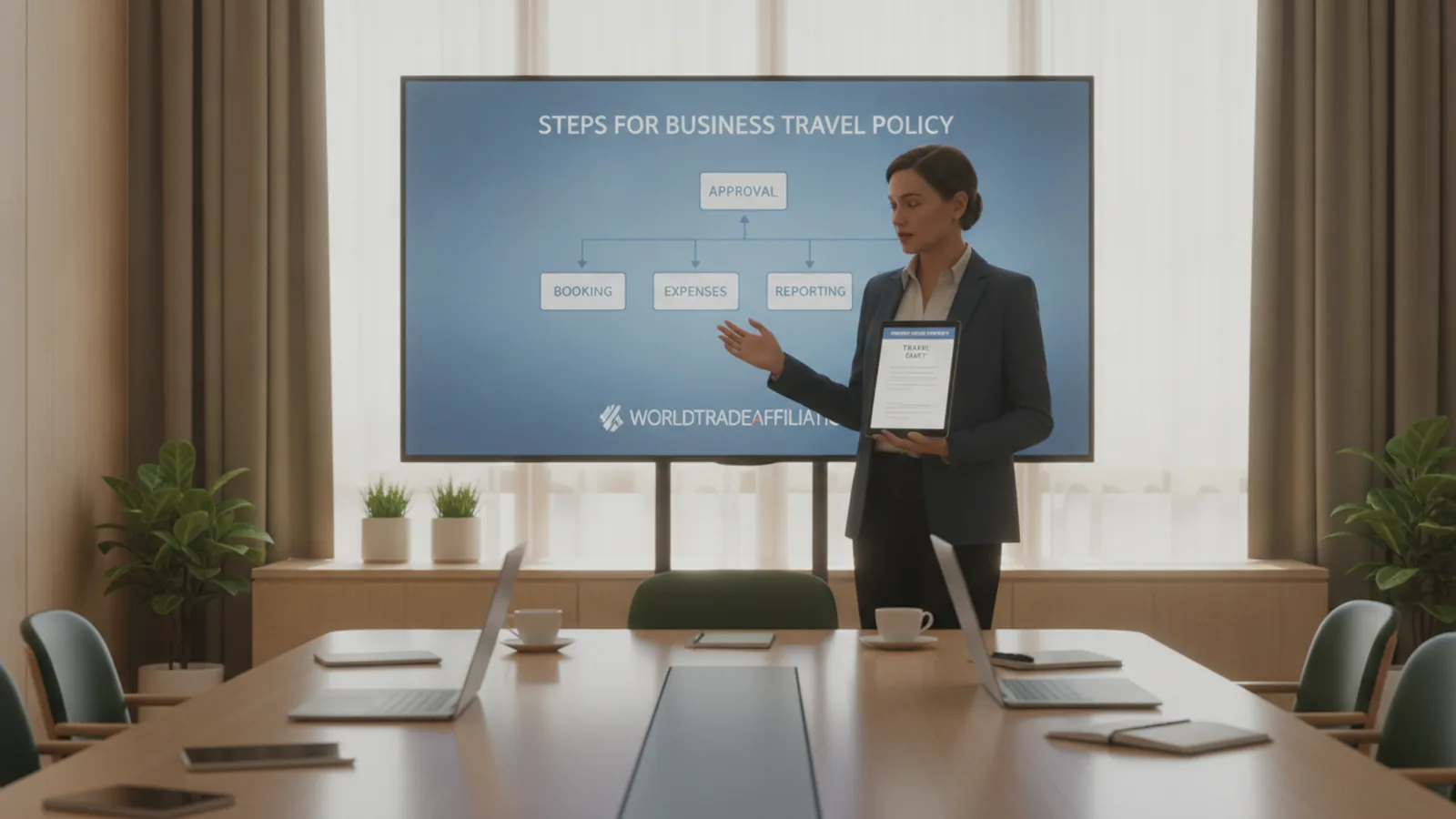
How to Create a Business Travel Policy That People Can Use
Practical planning guide
This is a practical guide to a usable business travel policy for small teams that need consistent decisions about work trips and expense claims.
Quick summary
Start with the real work already happening, make a decision from evidence, and set a date to review whether the approach is helping.
- Define the decision before comparing options.
- Use a typical working example rather than an ideal case.
- Keep ownership and the next review visible.
Before you start
Set aside a short working session with the records, calendar entries and people who understand the day-to-day process. The aim is a useful decision, not a perfect document.
- Write the problem in one sentence.
- Collect one normal cycle of examples.
- Decide who owns the next action.
Step-by-step instructions
Start with trips the team actually takes
Review a recent quarter of client meetings, events, site visits, overnight stays and international work. Build rules around real patterns instead of copying a large-company policy.
Set an approval route before booking
Name who approves travel, what information they need, and when booking can proceed. A purpose, dates, destination and expected cost prevents last-minute ambiguity.
Define practical booking principles
Describe the default choice for rail, flights, hotels, car hire and local transport. Use practical, safe and proportionate language rather than a rule for every situation.
Explain expenses and receipts plainly
State what can be claimed, what needs prior approval, where receipts go, how currency conversions work and when claims are paid.
Add safety and accessibility support
Provide an emergency contact route and a process for access needs or changed itineraries without requiring sensitive personal details in the policy.
Publish a short version and review it after trips
Keep the full policy available, but lead with a checklist. Revise rules that create repeated questions or unnecessary admin.
Decision table
| Check | Question to answer | Evidence to keep |
|---|---|---|
| 01 | which trips need approval | Record a short answer using a normal working example. |
| 02 | what proportionate transport and accommodation choices look like | Record a short answer using a normal working example. |
| 03 | how travellers get help when plans change | Record a short answer using a normal working example. |
Common issues and how to avoid them
Starting with a generic answer
Keep the focus on which trips need approval. Use a small documented check and revisit it after real use instead of building a one-off process.
Choosing a headline feature
Keep the focus on what proportionate transport and accommodation choices look like. Use a small documented check and revisit it after real use instead of building a one-off process.
Skipping the review date
Keep the focus on how travellers get help when plans change. Use a small documented check and revisit it after real use instead of building a one-off process.
Advanced tips
- Keep the supporting note short enough that another person can follow it.
- Use recurring questions as signals that one part of the process needs clearer language.
- Change one constraint at a time so you can see what made a difference.
Final checklist
- The decision is recorded in plain language.
- The process has an owner and a review date.
- Any exception route is clear before it is needed.
Frequently asked questions
How detailed should this process be?
Only detailed enough for a person who did not create it to follow the next action without guessing.
When should it be reviewed?
Review after one normal cycle, then at a sensible recurring interval or when the underlying work changes.
What evidence matters most?
Use the records, costs, timing and outcomes that are actually connected to the decision rather than a generic score.